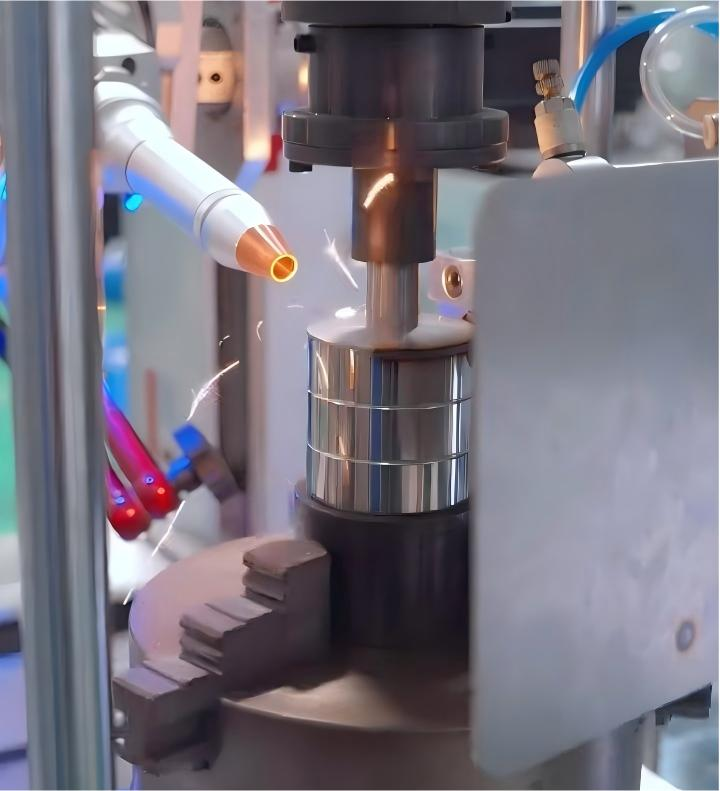
1、Process Core
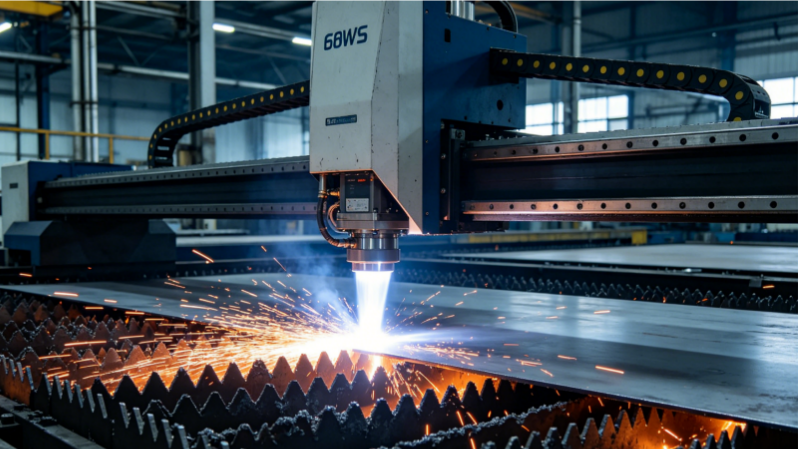
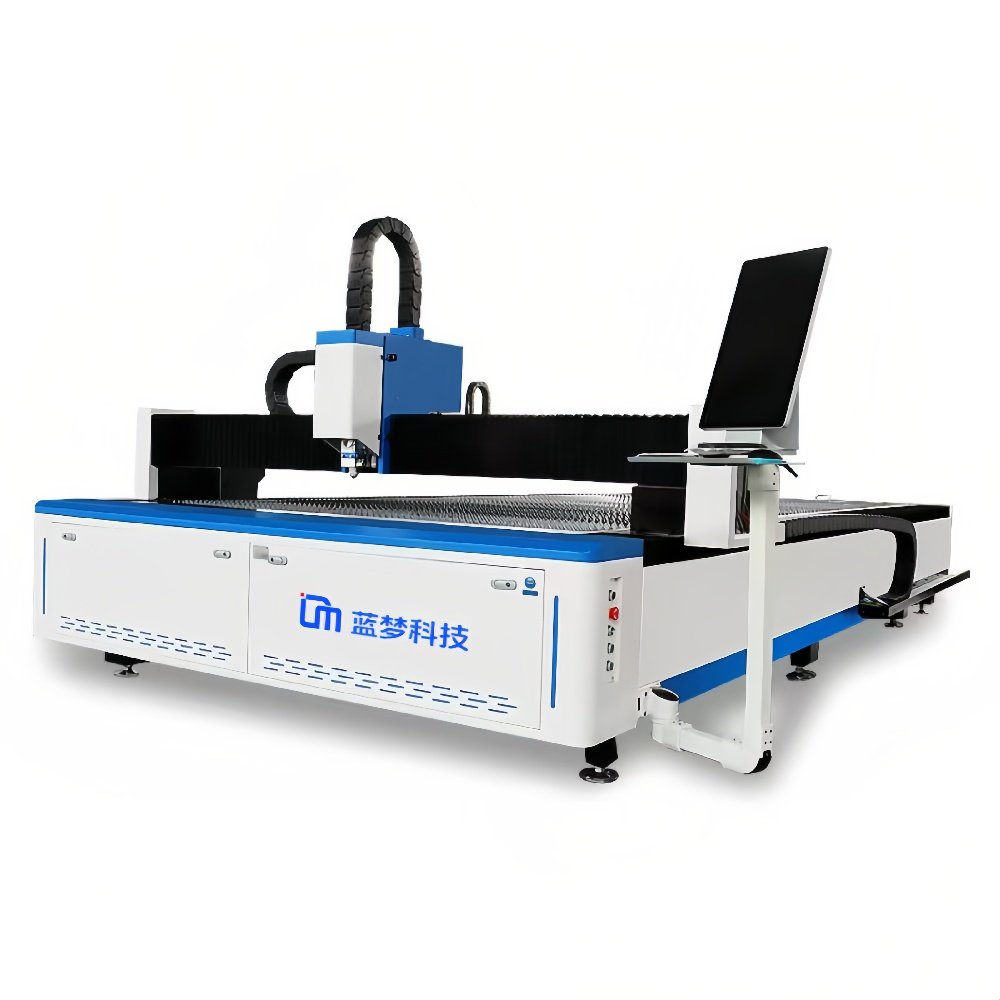
Using a 500-2000W fiber laser welding system, in conjunction with an automated production line (including feeding robotic arm, positioning turntable, and visual inspection module), high-speed welding is performed on small coffee cans (can body and bottom/lid) with a diameter of 5-10cm and a wall thickness of 0.2-0.5mm. The diameter of the laser focused spot is only 0.3-0.5mm, which can form a uniform molten pool on thin-walled metals, achieving a sealed and aesthetically pleasing weld seam.
2、Comparison with traditional welding (resistance welding/argon arc welding)
| Comparison item | Traditional welding methods | Automatic laser welding |
| Welding speed | Single can welding takes 8-12 seconds | Single can only take 3-5 seconds, efficiency increased by 300% |
| Welding quality | Easy to experience virtual welding and deformation (pass rate 82%) | No deformation, 100% sealing rate (99.8% pass rate) |
| Appearance effect | The weld seam is rough and requires further polishing | The weld seam is flat and smooth, directly meeting the appearance requirements |
| Material adaptability | Easy to burn through ultra-thin metals | Suitable for all thin-walled materials above 0.2mm |
| Artificial demand | Each line requires 2-3 people to operate and adjust | Automatic operation, requiring only one person to monitor |
3、The landing value of automated factories
Efficiency leap: An automated laser welding line can produce 30000 to 40000 small coffee cans per day, which is four times that of traditional production lines.
Cost optimization: Eliminating the polishing process (saving 200000 yuan in labor costs annually), reducing consumables consumption by 60%, and reducing the welding cost of a single can from 0.12 yuan to 0.05 yuan.
Quality upgrade: The sealing of laser welded coffee cans has been improved, reducing the air leakage rate from the traditional 3% to 0.02%, which is more conducive to moisture and freshness preservation of coffee.
At present, production lines have been deployed for multiple food packaging enterprises, especially suitable for customized production of small batch and multi specification coffee cans, balancing efficiency and quality. It is a typical application of precision welding in automated factories.